Buying Guide
Designer Blazers Edit
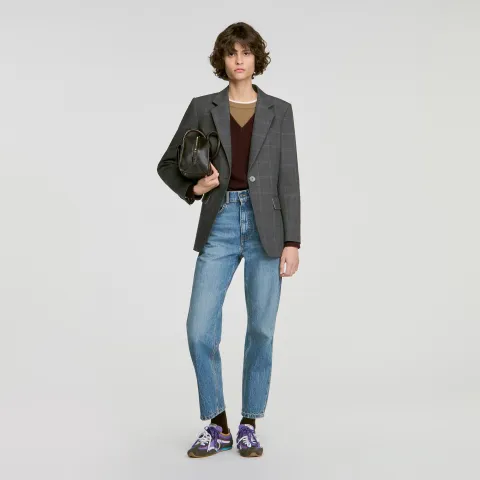
Designer blazers worth buying come down to a few honest questions: does the shoulder sit clean, does the cloth hold a press, and will you reach for it past one season. This edit pulls tailoring you can wear to the office, to dinner, and over jeans on a Saturday. We lean on houses that cut a proper jacket, from Michael Kors polish to the sharper contemporary names, so you can buy with a clear head rather than on impulse.
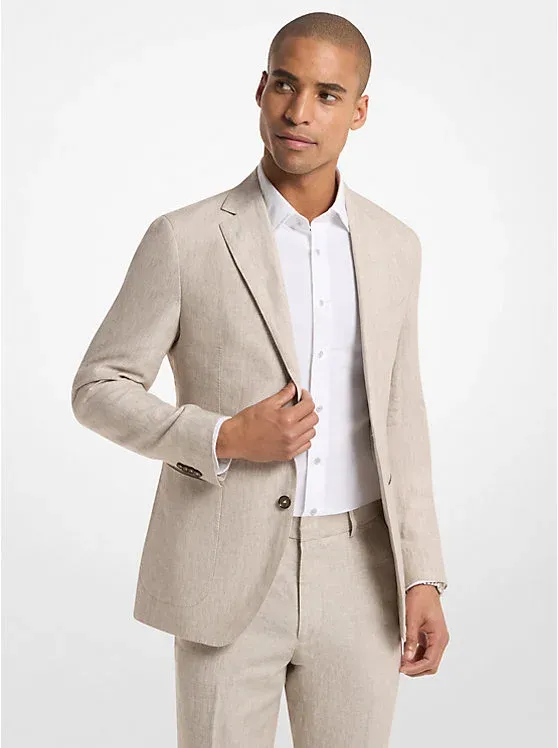
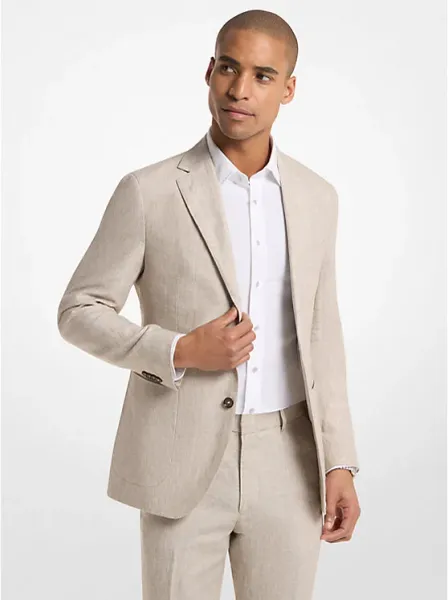
Michael Kors blazers
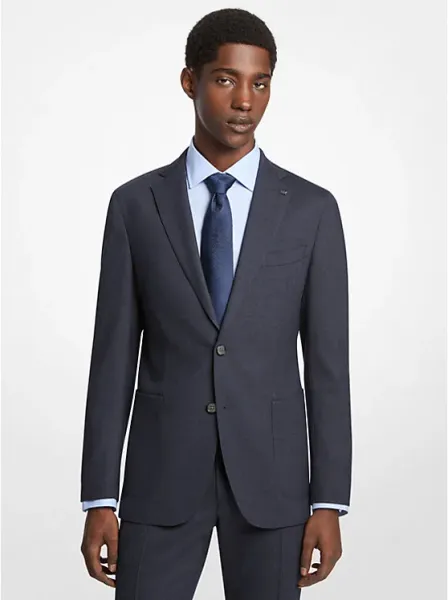
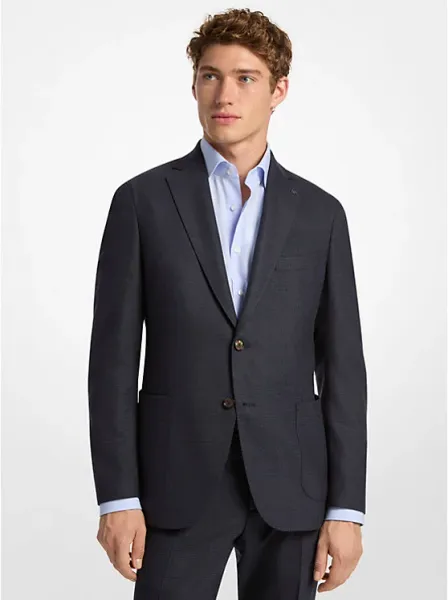
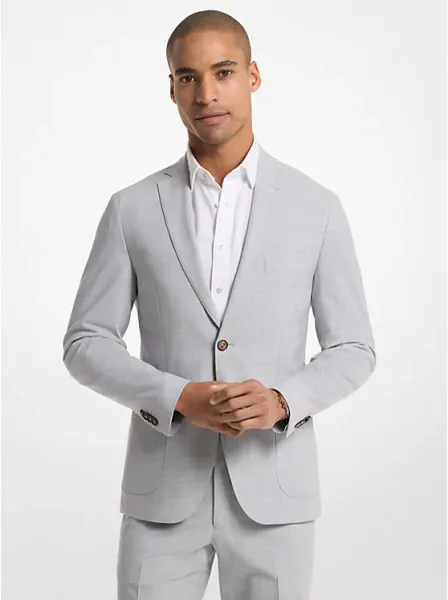
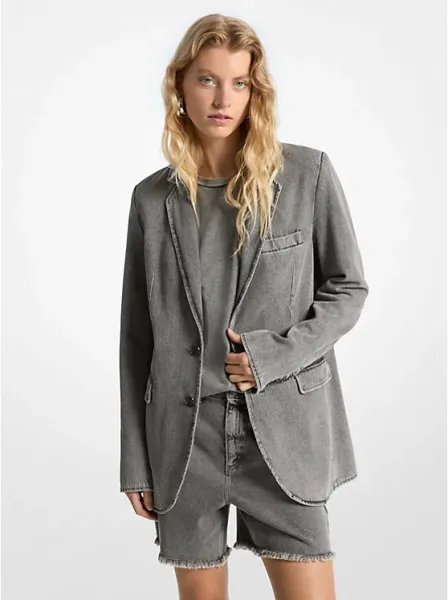
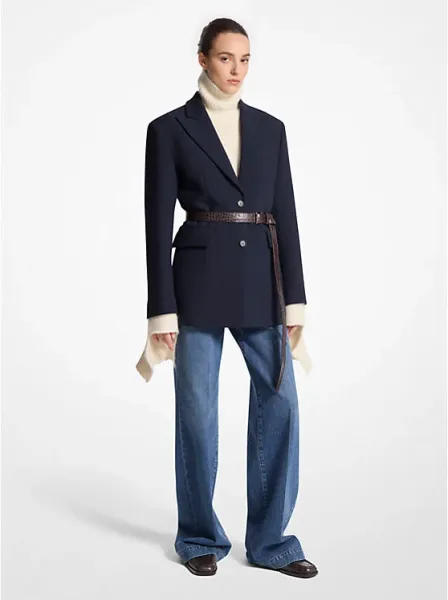
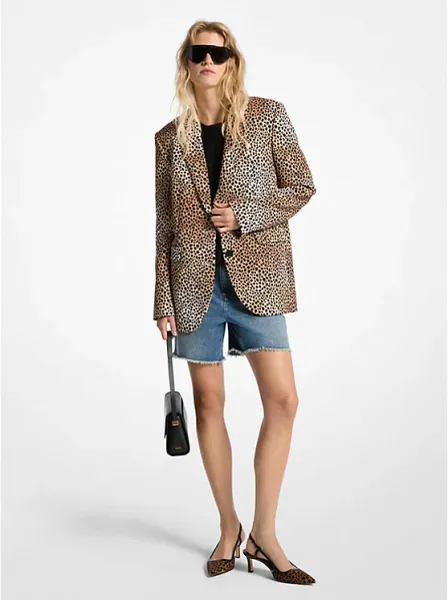
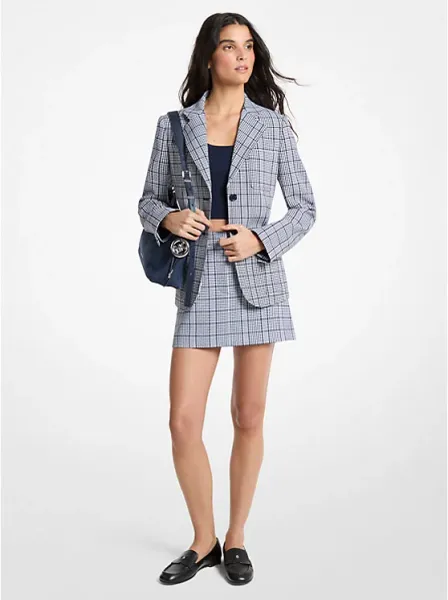
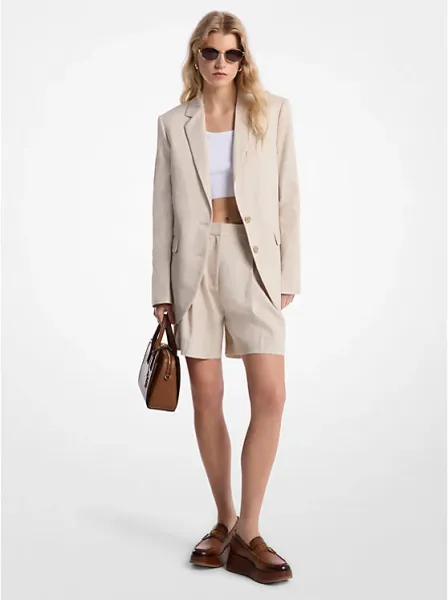
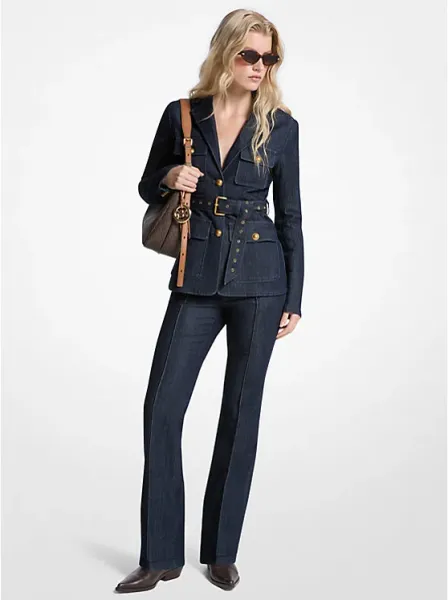
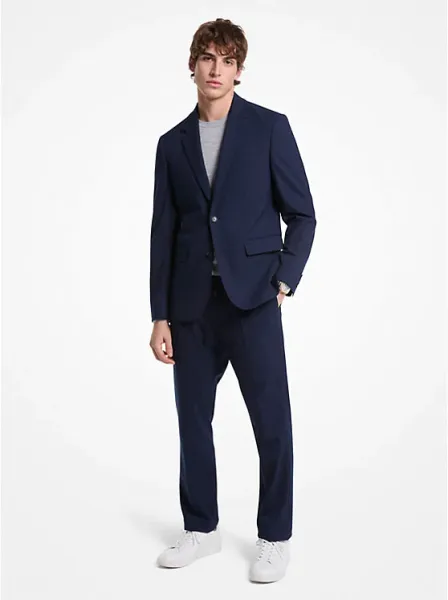
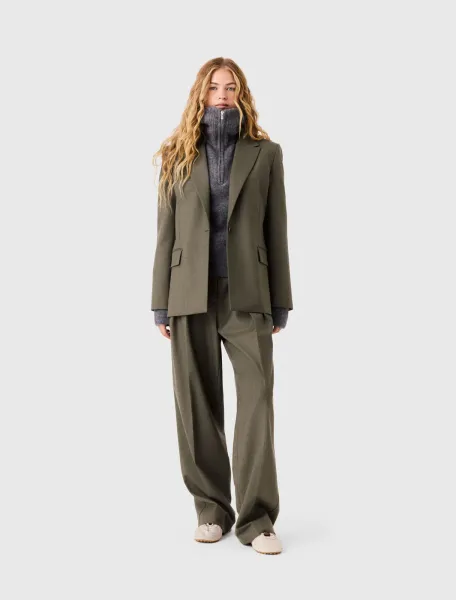
Michael Kors does the polished, wearable end of tailoring, and that is exactly why it works as a first designer blazer. Expect clean single-breasted shapes, a soft shoulder, and neutral colours that go with everything you already own. Look for the crepe and wool-blend cuts that travel well and hold their line. Sizing runs fairly true, so take your usual. Buy a navy or black first, then add camel once you know you'll wear it. Easy to style, hard to get wrong.
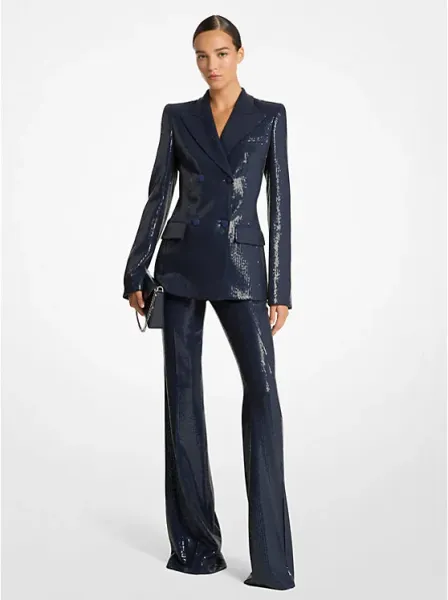
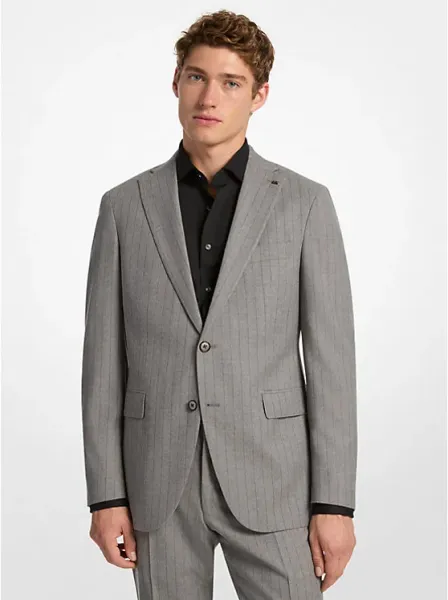
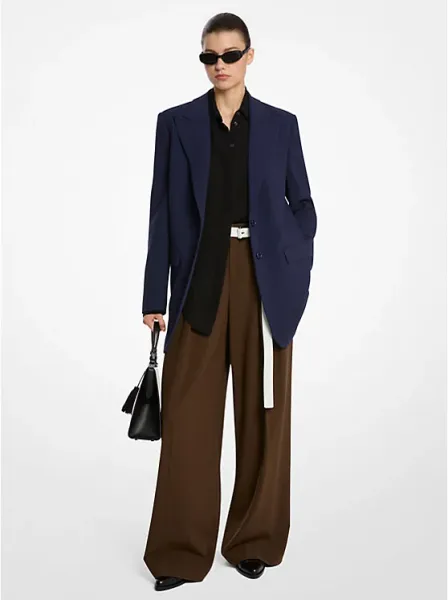
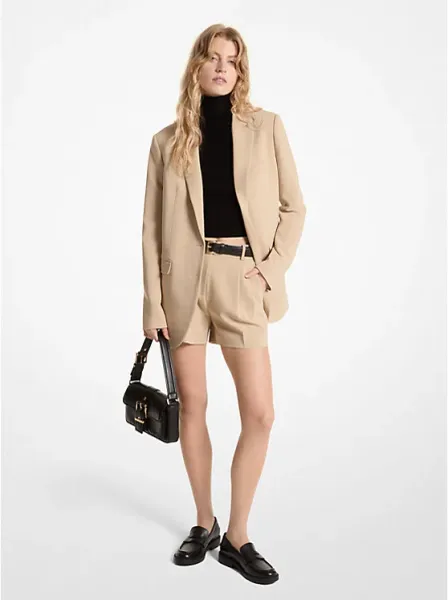
Amiri and Alexander Wang tailoring
This is the sharper, more deliberate end. Amiri brings a rock-leaning slim cut with strong shoulders and a high armhole, so it reads slim and a touch dressy. Alexander Wang runs cooler and more architectural, often oversized or boxy with that downtown edge. Neither is a safe office default, and that is the point. If you want a blazer that carries a whole look, buy here. Size down on Wang if you don't want the drop-shoulder swamp, and check the sleeve length before you commit.
More tailored jackets
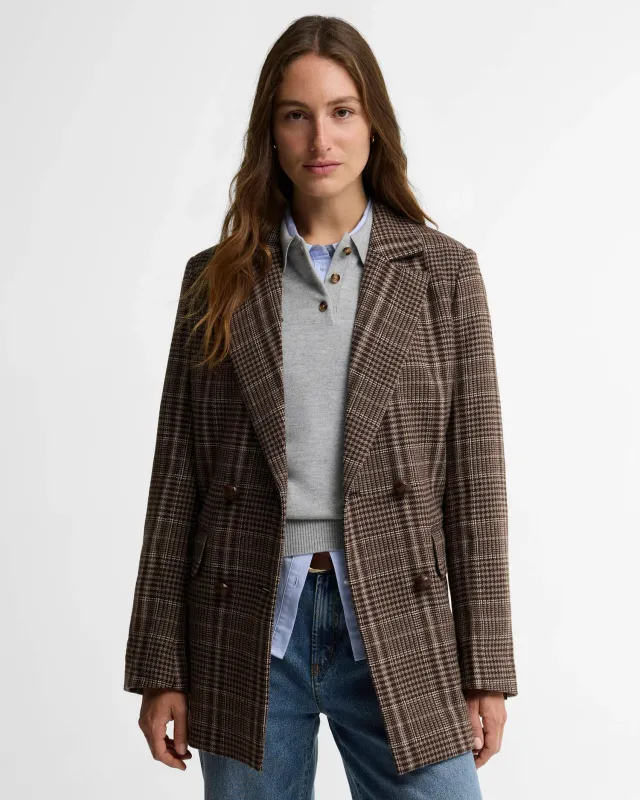
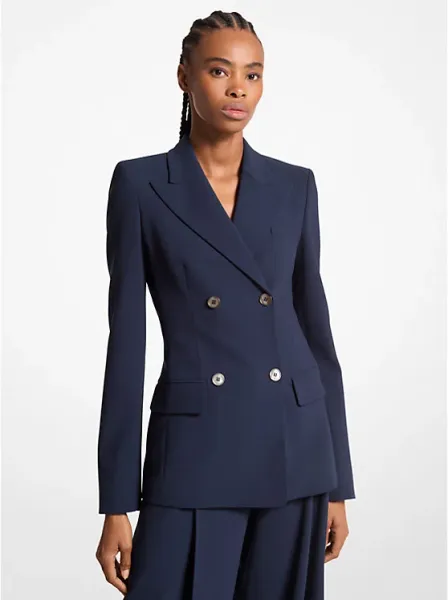
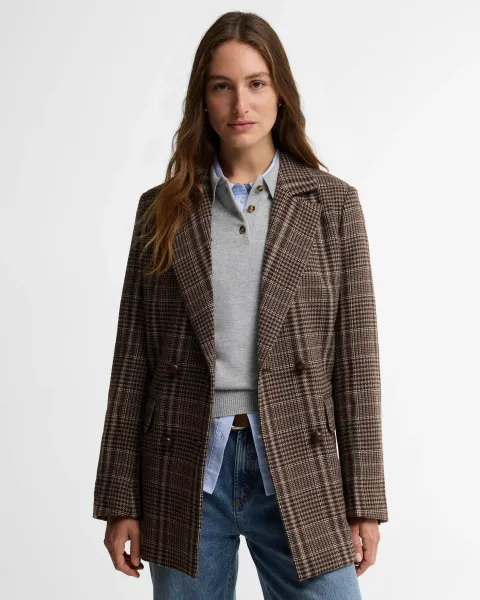
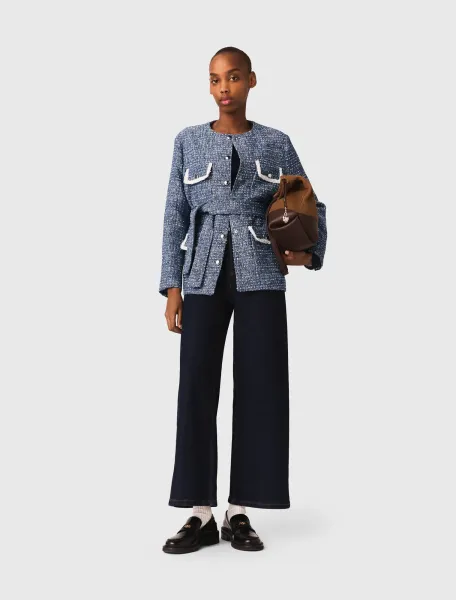
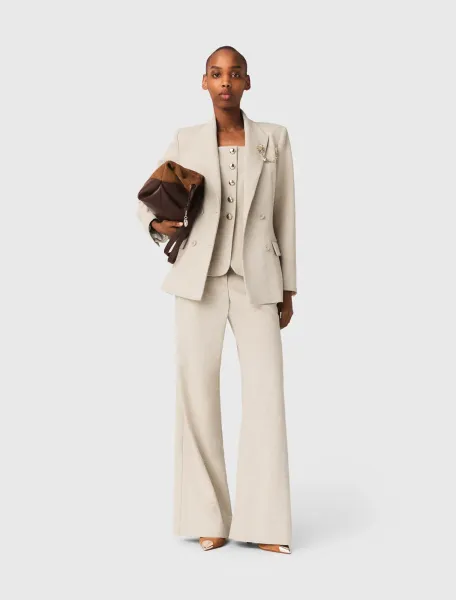
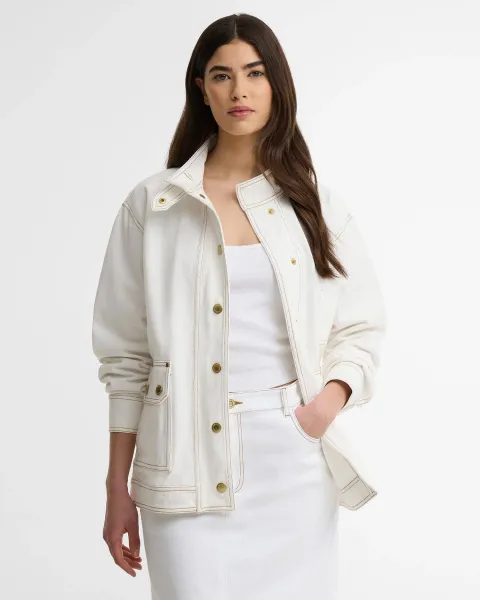
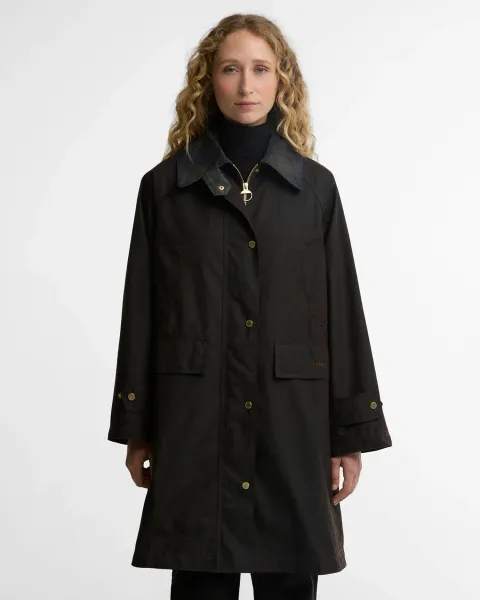
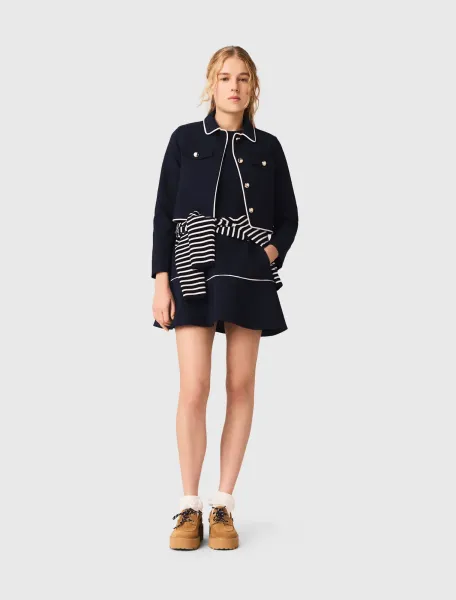
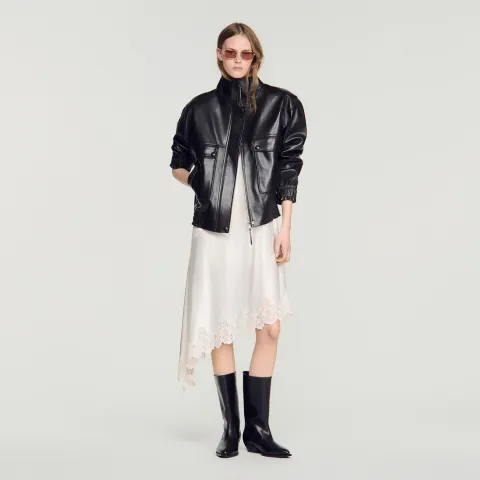
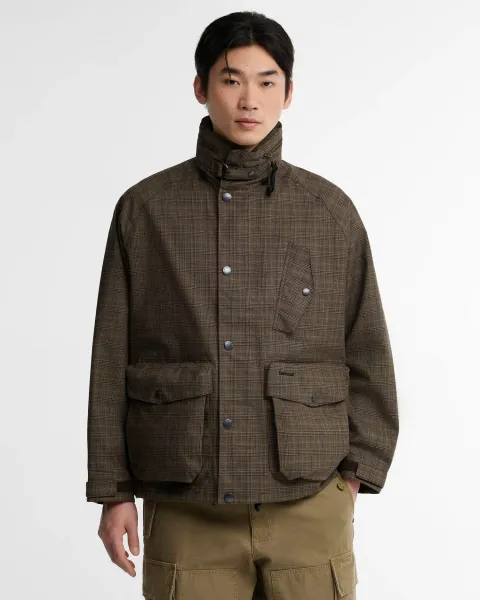
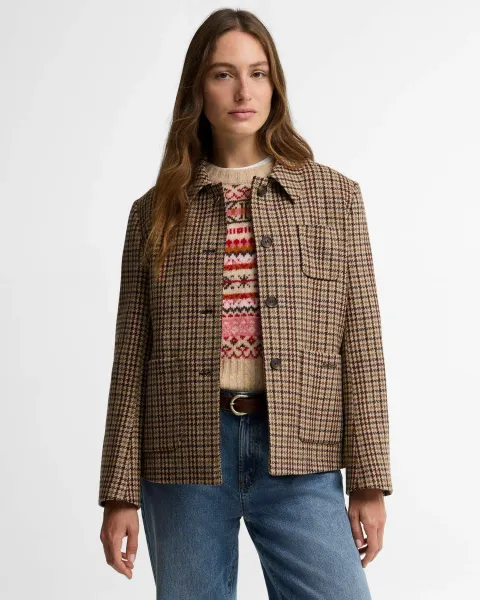
Here we widen out to tailored jackets that aren't strict blazers but do the same job. Think soft-construction blazers, cropped cuts, double-breasted shapes, and the odd textured tweed. These are the pieces that round out a wardrobe once you own the navy staple. Check the buttoning point and lapel width against your frame, since a low button stance lengthens the torso. If you're between two, the cleaner, less trend-led cut is the one you'll keep wearing. Buy for the gap in your rail, not the novelty.
The buyer's brief
How to choose
A blazer lives or dies on fit and fabric, not the label inside. Use these points to judge what suits your shape and how often you'll actually wear it.
Start with the shoulder
The shoulder seam should meet the edge of your shoulder, not droop down your arm or pinch. This is the one thing a tailor can't easily fix, so get it right at the point of buying. If the seam sits clean and flat, the rest of the jacket has a fair chance. If it bunches or collapses, walk away whatever the label says.
Pick the cloth for the season
Wool and wool-blend crepe hold a press and work most of the year. Linen and cotton blends are lighter and crease on purpose, which suits spring and summer but reads casual. Tweed and heavier wool are autumn into winter. Buy the fabric that matches when you'll actually wear it, not the one that looks best on the hanger in June.
Single or double-breasted
Single-breasted is the easier first buy: it suits more body shapes, layers under coats, and stays open or closed without fuss. Double-breasted is sharper and more of a statement, best worn fastened and on a frame with some height. If this is your one designer blazer, take single-breasted. Add the double once you've earned the wear out of the first.
Match the cut to your frame
A slim, high-armhole cut like Amiri flatters a leaner build and reads dressy. A boxy or oversized shape like Alexander Wang suits those after a relaxed, downtown line, but it can overwhelm a smaller frame. Michael Kors sits in the comfortable middle. Be honest about your proportions and size accordingly rather than buying the look on someone else.
Check the small finishing
Working cuff buttons, a clean lining, even stitching, and lapels that roll rather than crease tell you where the money went. Pattern matching across the pockets and a button stance that sits at your natural waist are quiet signs of a proper jacket. These details are easy to miss online, so zoom in on the product photos before you buy.
Buy for the gap, not the trend
Own a navy or black blazer first, since it does the most work and dresses up jeans or trousers alike. Then fill the actual gaps: a camel for daytime, a textured cut for weekends, a sharper contemporary shape for evenings. A blazer chosen for the hole in your rail gets worn. One bought purely on novelty tends to hang unworn.
Good to know
Answered
Navy, then black. Navy flatters more skin tones, reads slightly softer than black, and works with everything from white trainers to evening trousers. Black is sharper and better for dressier nights. Buy navy as your first and you'll reach for it most. Camel and grey are good third and fourth additions once the staples are covered.
Keep exploring
Where to go next
About this edit
Diligo's edits are curated by our editorial team and updated as ranges and availability change. Every product featured is hand-picked for design, quality and lasting appeal, so you can discover pieces worth buying without trawling dozens of sites.
Product availability and prices shown are indicative and refreshed regularly. Tap any product to continue to the brand.